Turn scattered environmental cameras
into a single 24/7 livestream network
Built for the annual environment conference and ongoing public outreach, we shipped a platform that covers multi-source ingest -> stream processing -> CDN delivery -> live interaction -> monitoring & failover — turning hundreds of heterogeneous cameras into one stable, shareable non-profit livestream network.
Project background — built for the annual environment conference
The brief came from the annual environment conference broadcast — not just to "get it on air," but to consolidate environmental monitoring feeds from across the country into a single shareable, participatory, sustainable non-profit livestream network.
Client goals
- 01National environmental livestream hub
- 02Unified multi-camera ingest
- 03Stable HD livestream capacity
- 04Audience interaction and reach
- 05High-concurrency traffic handling
The real problems the client faced
None of these get solved by "shipping a livestream." Each is a system-engineering problem.
Lots of cameras, no unified ingest
Devices come from many vendors with mismatched protocols and codec standards.
Unstable networks; streams drop easily
Mountainous zones, industrial sites and remote monitor points routinely hit weak networks and high latency.
Peak traffic crashes the system
Conference promotion concentrates traffic; video requests spike instantly.
Streams are display-only, no interaction or reach
The legacy approach was one-way playback only — no interaction, no reach, no archive.
Not a "livestream project" — an environmental visualization infrastructure
The challenge was never just "get it on air" — it's running it stably, long-term, at scale, with real reach.
"Design it as a multi-source video ingest + real-time delivery + non-profit distribution platform — not as a livestream project."
A 24/7 AI + streaming media livestream system
From multi-source ingest to monitoring and dispatch, the five-step pipeline closes the loop — every step is a observable, scalable, shippable engineering component, not a one-off tool.
Multi-source camera ingest
- Multi-protocol ingest gateway
- Unified video transcoding
- Device registry and management
- Automatic heartbeat checks
- · Hundreds of cameras ingested as one
- · Standardized video output
- · Lower device onboarding cost
Stream processing and transcoding
- FFmpeg streaming engine
- HLS / RTMP protocols
- Adaptive bitrate (ABR)
- Edge-node transcoding
- · Significant drop in stream interruptions
- · Improved video stability
- · 24-hour continuous playback
CDN delivery and high-concurrency architecture
- Global CDN distribution
- Multi-node load balancing
- Optimized video caching
- Traffic shaping
- · Sustains 10K-50K concurrent
- · Origin load down 80%+
- · Smoother playback
Live interaction and distribution
- WebSocket real-time channel
- Interaction message queue
- User behavior analytics
- Share-link optimization
- · Higher session length
- · Stronger content distribution
- · Higher interaction rate
Monitoring, dispatch and incident response
- Real-time monitoring dashboard
- Automatic failover
- Multi-source redundancy
- Alerting system
- · Sharp drop in stream interruptions
- · Faster incident response
- · Stability above 99%
Layered architecture — from ingest layer to application layer
Four layers, each with a clear engineering responsibility — any layer can be replaced, extended or delivered in parallel.
- Decoupling: each layer ships and scales independently
- Observability: logs, metrics and traces, end to end
- Resilience: multi-source redundancy with automatic failover
- Reusability: the ingest layer transfers to other business lines
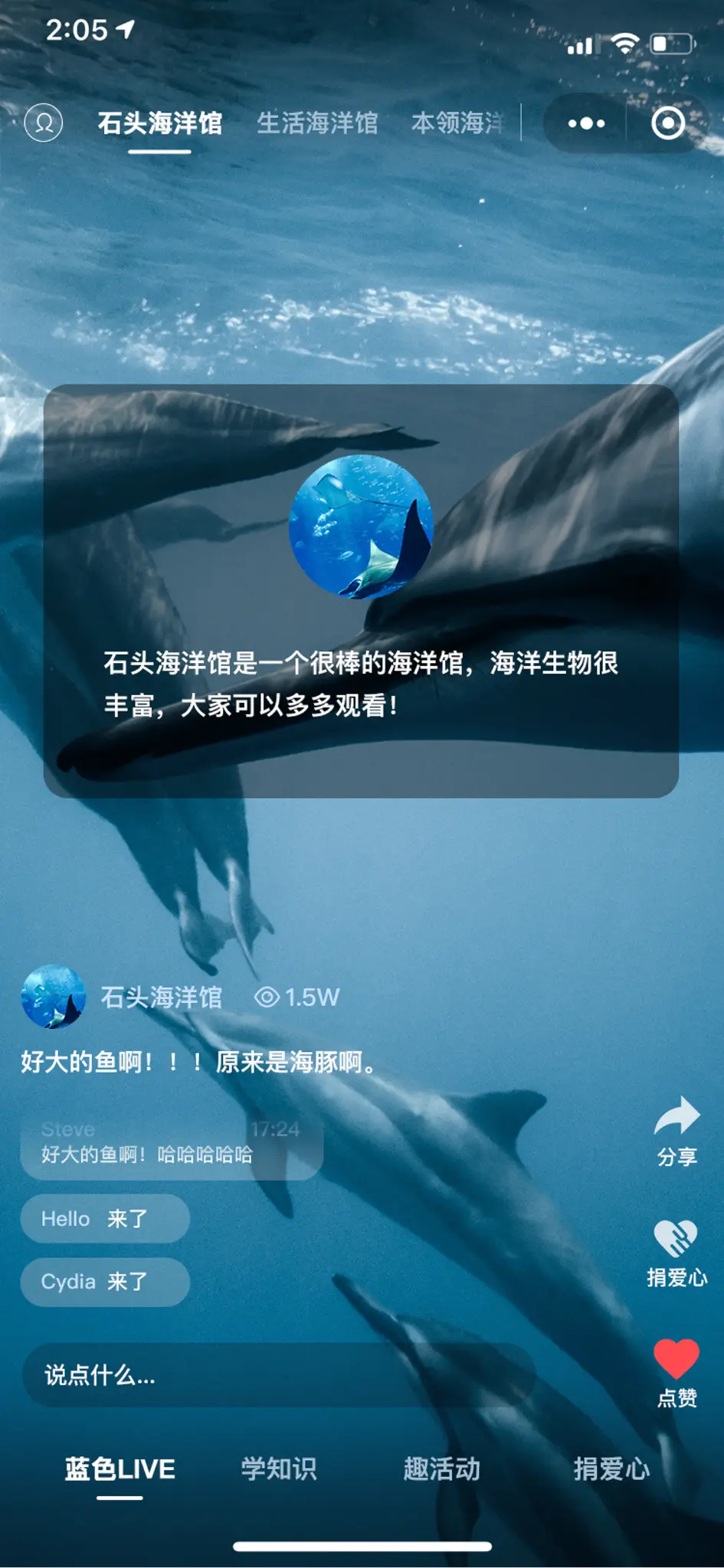
What the system actually looks like in production
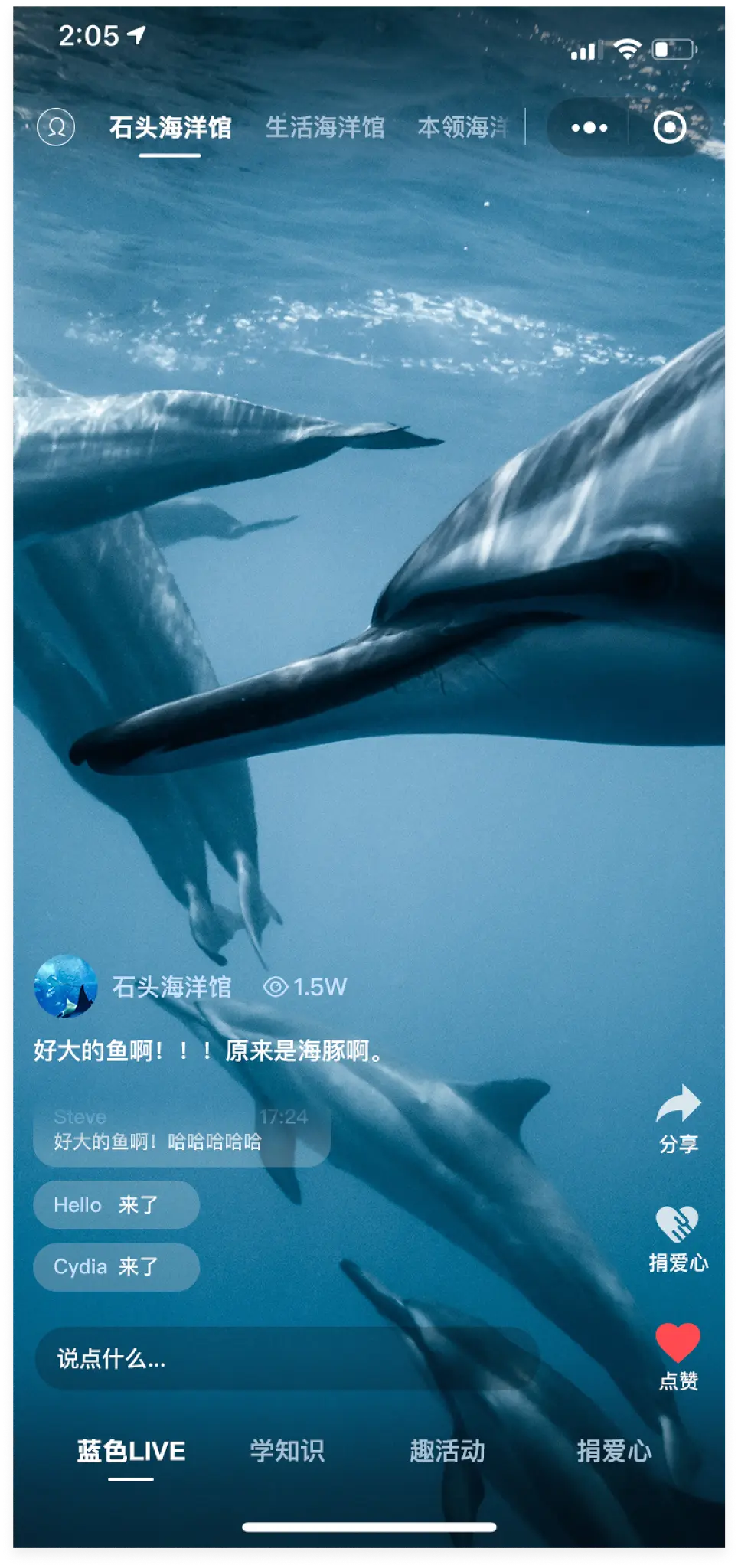
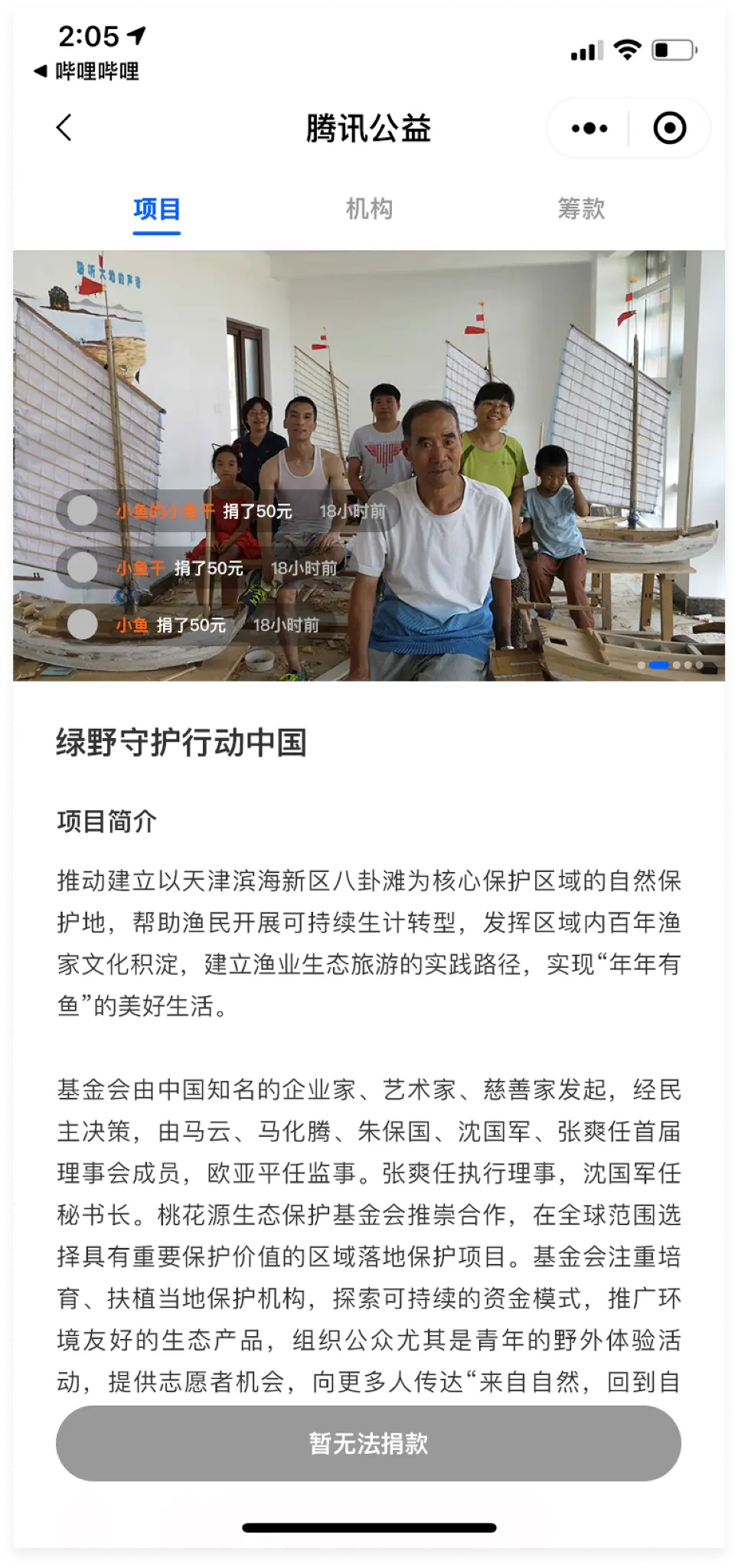
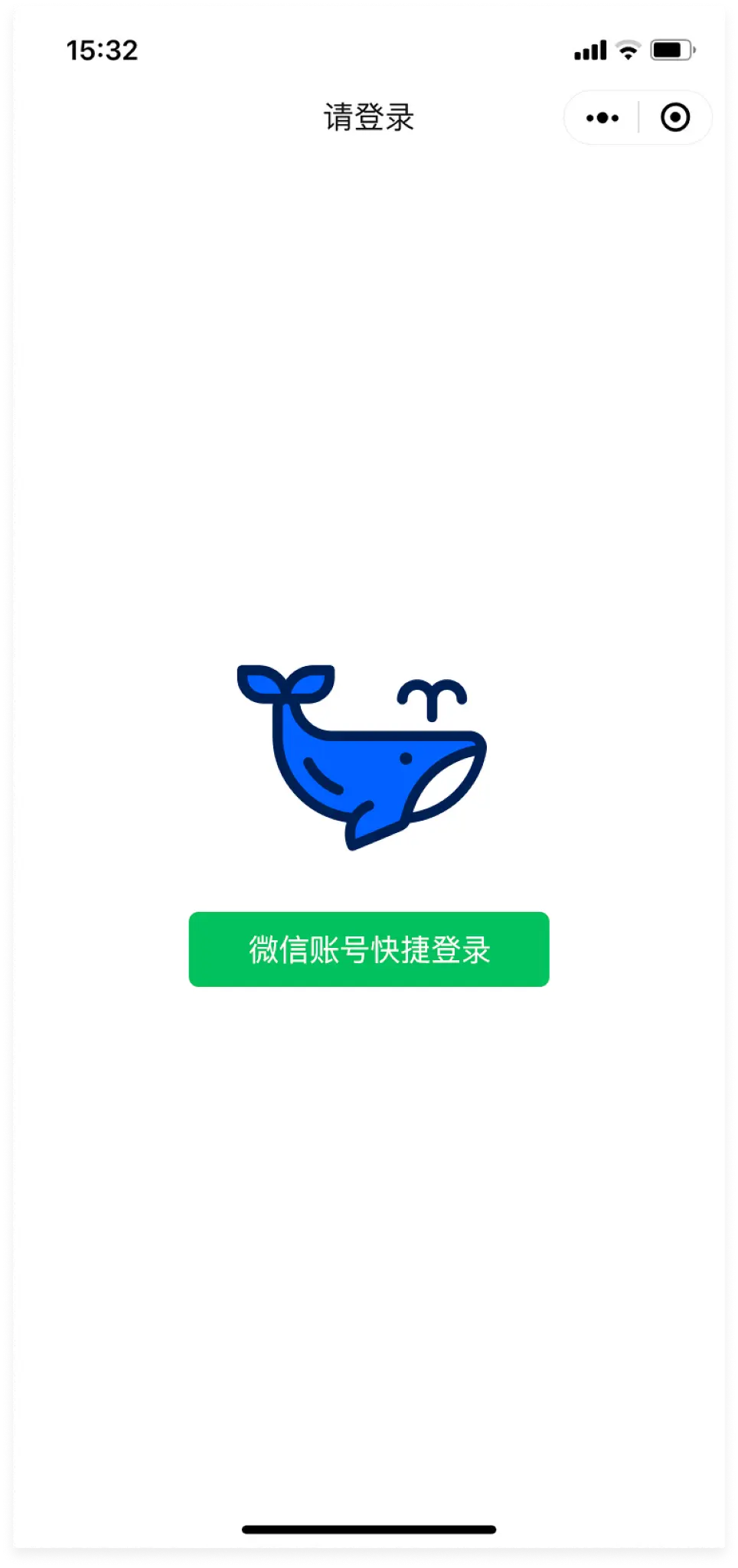
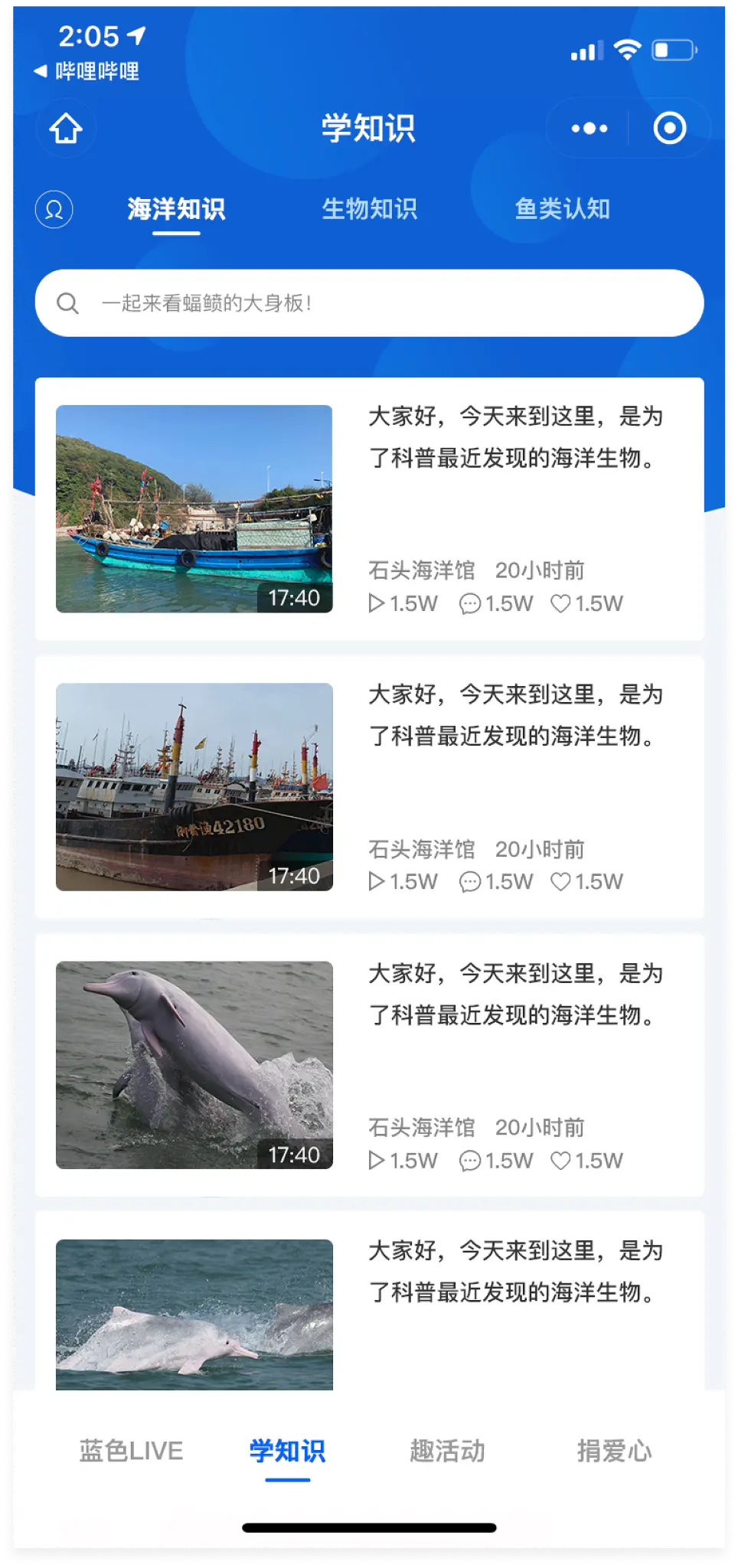
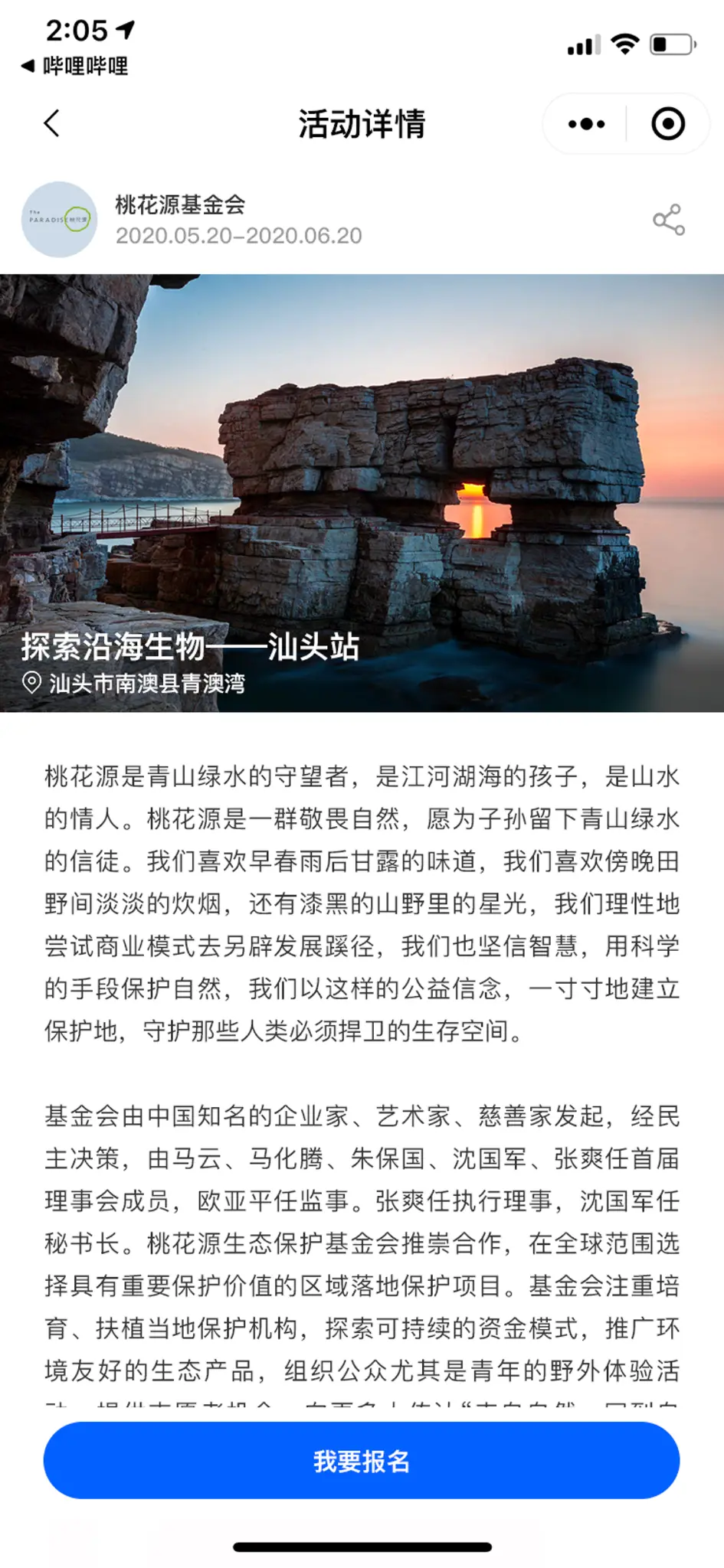
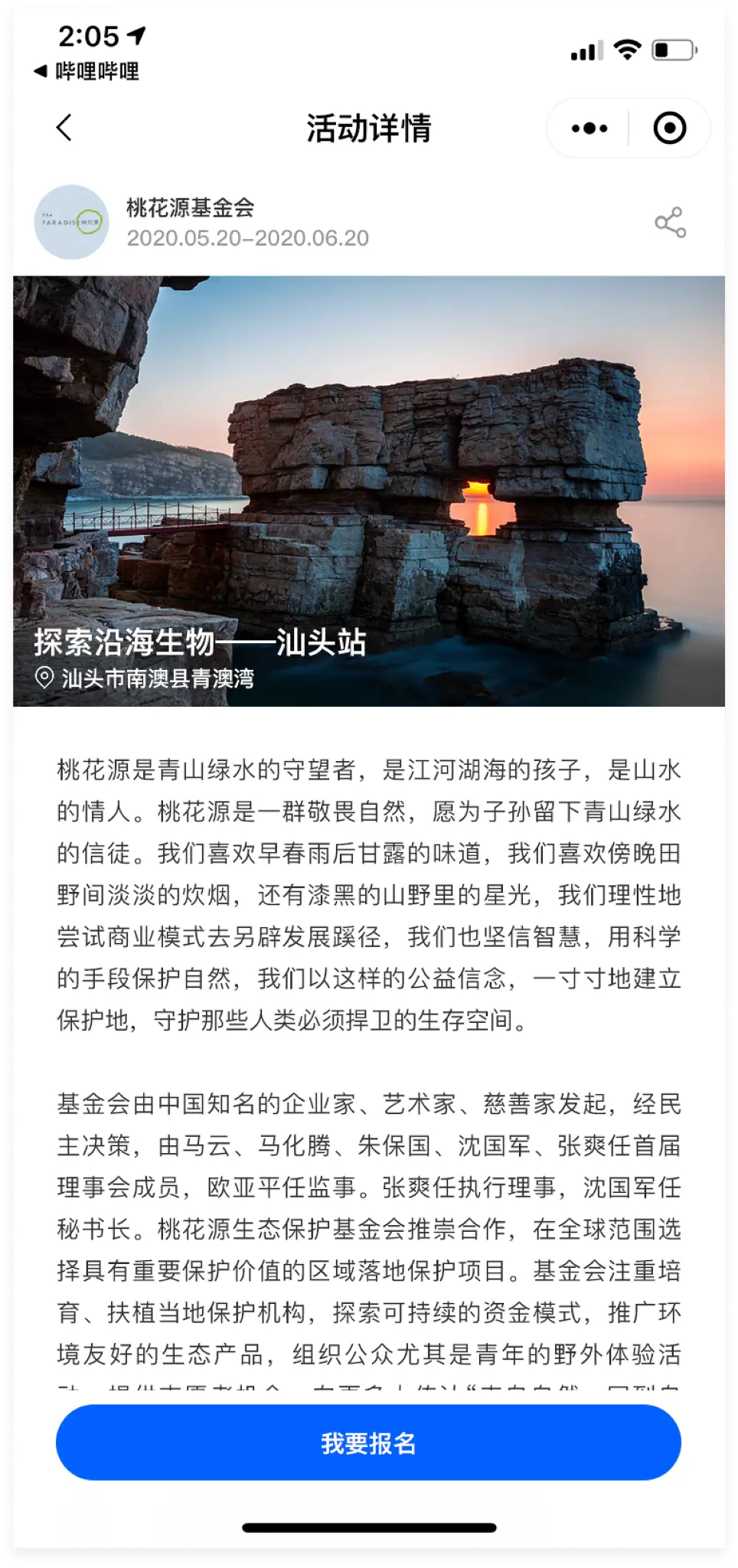
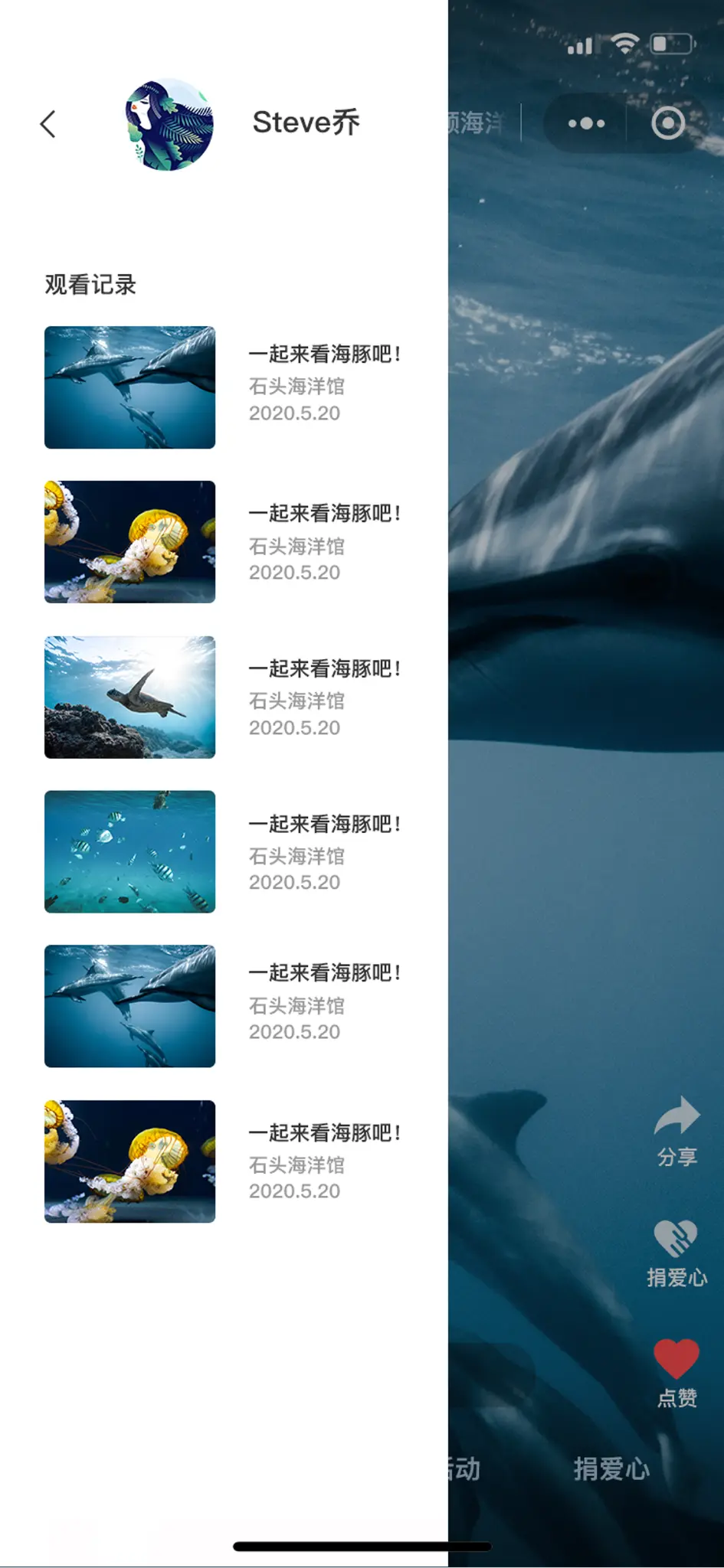
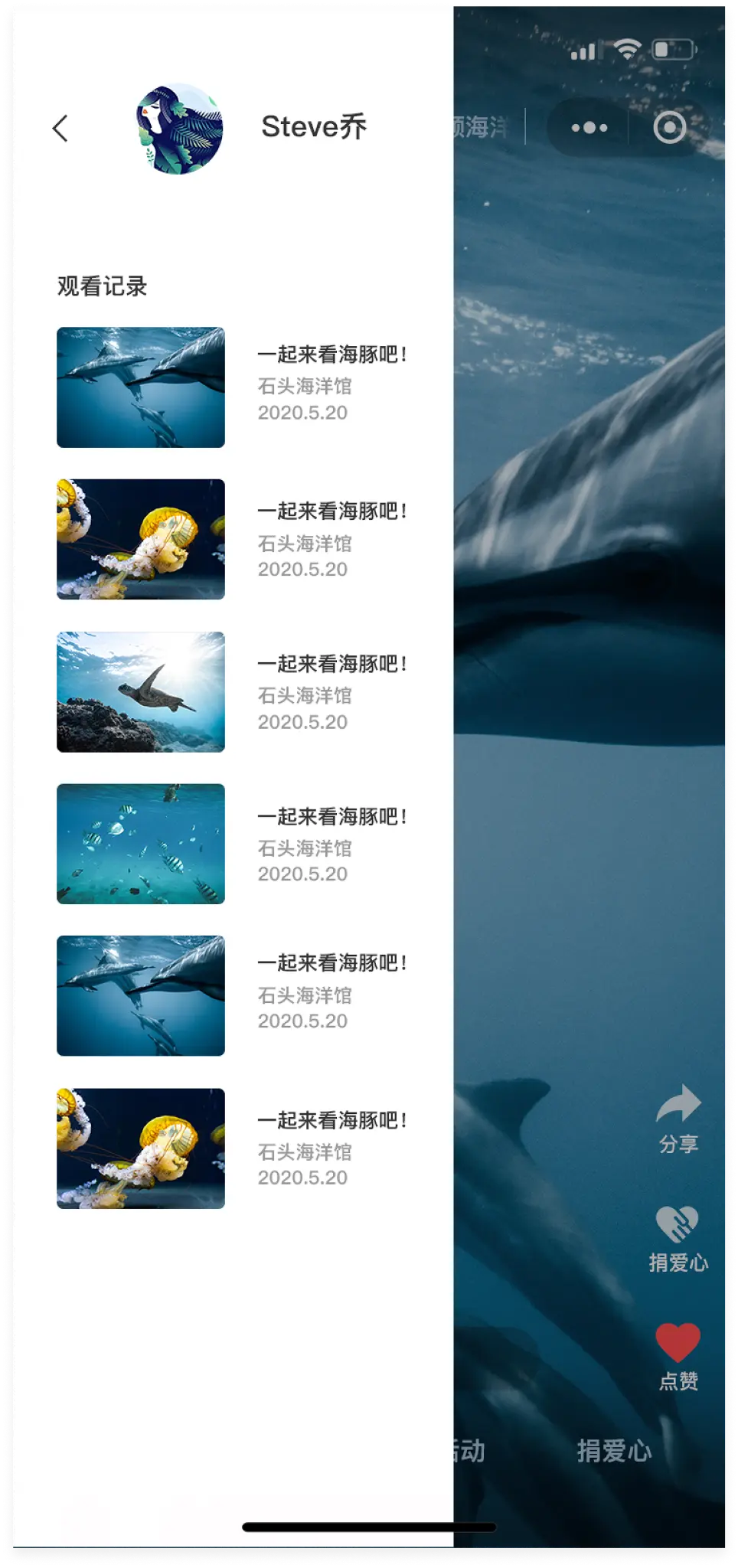
The WeChat Mini Program covers sign-in / livestream / knowledge / events / profile — below are real screens shipped to the client.
Final outcomes
Once live, the system runs as a unified national livestream control plane — the win isn't "it shipped," it's "it stays up."
Before vs. after launch — key metrics
Where else this capability runs
Beyond environmental livestreaming, this is essentially a "real-time visualization network" infrastructure — portable across many business contexts.