/ 00 · HERO
智慧园区 · IoT + AIFrom watching cameras
to a system that surfaces problems
Wavesteam — production-ready AI software for enterprise teams.
For real-time sensing and orchestration across a large mixed-use industrial park, we compared three approaches and built a full IoT + AI pipeline on the client's real data, covering sensing → recognition → orchestration → decision. Anomaly detection moved from hours of manual review to automated alerts under a minute.
What the operator actually deals with
The operator of a large mixed-use industrial park. Devices keep growing, headcount doesn't — four problems, each carried by humans with no system safety net.
Lots of cameras, very little signal
Nobody can watch every feed. One incident takes dozens of minutes of scrubbing.
Recognition with no follow-through
Plate recognition fires once and stops — no orchestration, no tracking, no alert.
Systems that never talk to each other
Cameras, access control, parking, patrols, visitor management — each on its own island.
Decisions driven by gut, not data
Congestion, peaks, risk — judged by the gut feel of senior staff.
Not everything goes to AI — every path does what it's best at
Three candidate paths, scored against the same criteria, then composed. The AI loop handles 90% of routine sensing and response; humans own incident handling and exception review.
Manual patrols + scattered CCTV
Traditional siloed CCTV
AI sensing + orchestration (chosen)
An explainable, degradable, evolvable AI pipeline
Not a black box — an engineered pipeline where every step has clear inputs, outputs and a fallback strategy.
Unified sensing
Standardized ingest across multi-brand cameras, IoT, IR, access control and parking.
Vehicle recognition
OCR + trajectory engine for sub-second fuzzy plate lookup.
Event detection
Proactive alerts for loitering, overspeed and perimeter intrusion.
Cross-system orchestration
Access control, CCTV, parking and work orders close the loop together.
Review and tune
Human reviews flow back into the model — accuracy improves with use.
Layered view · sensing → decision
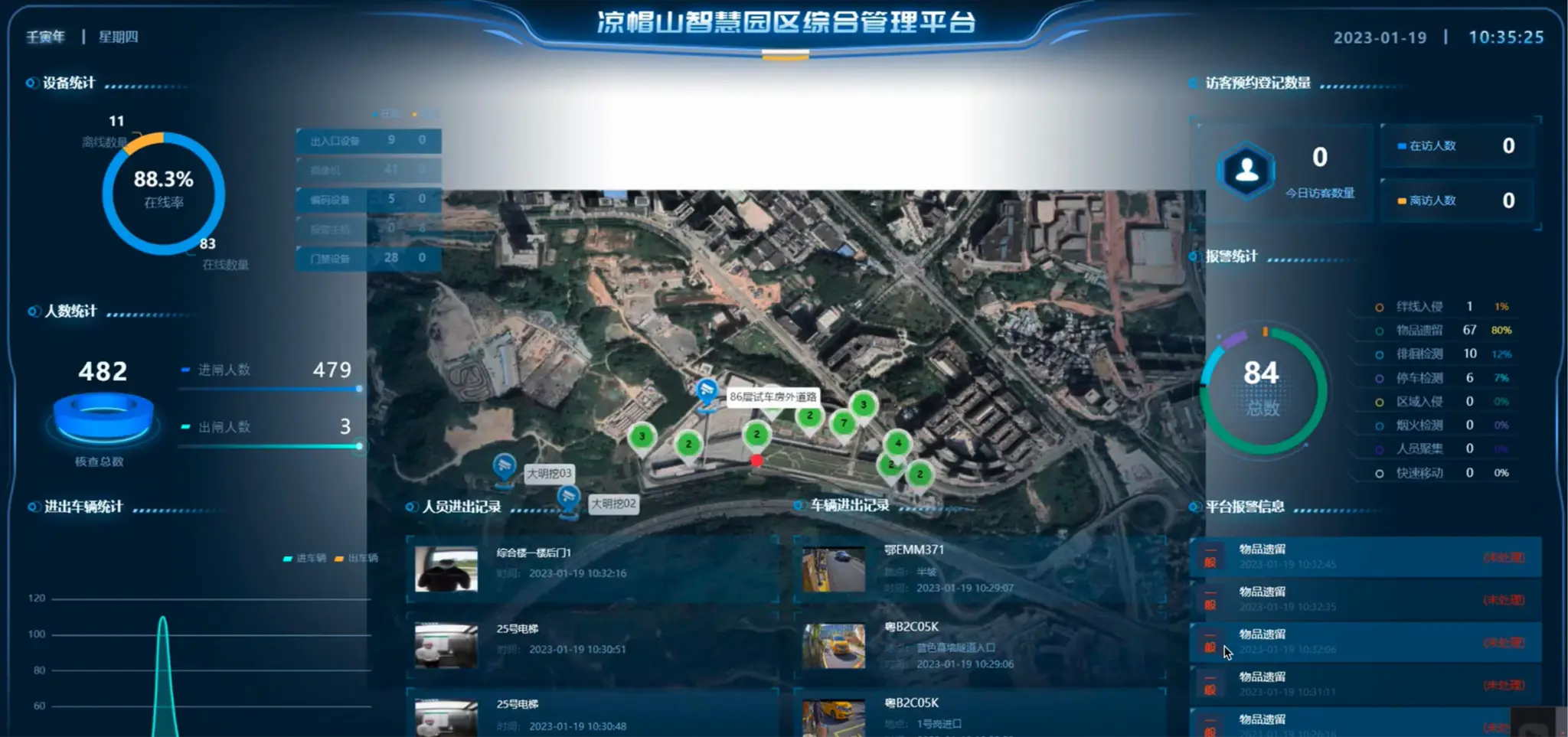
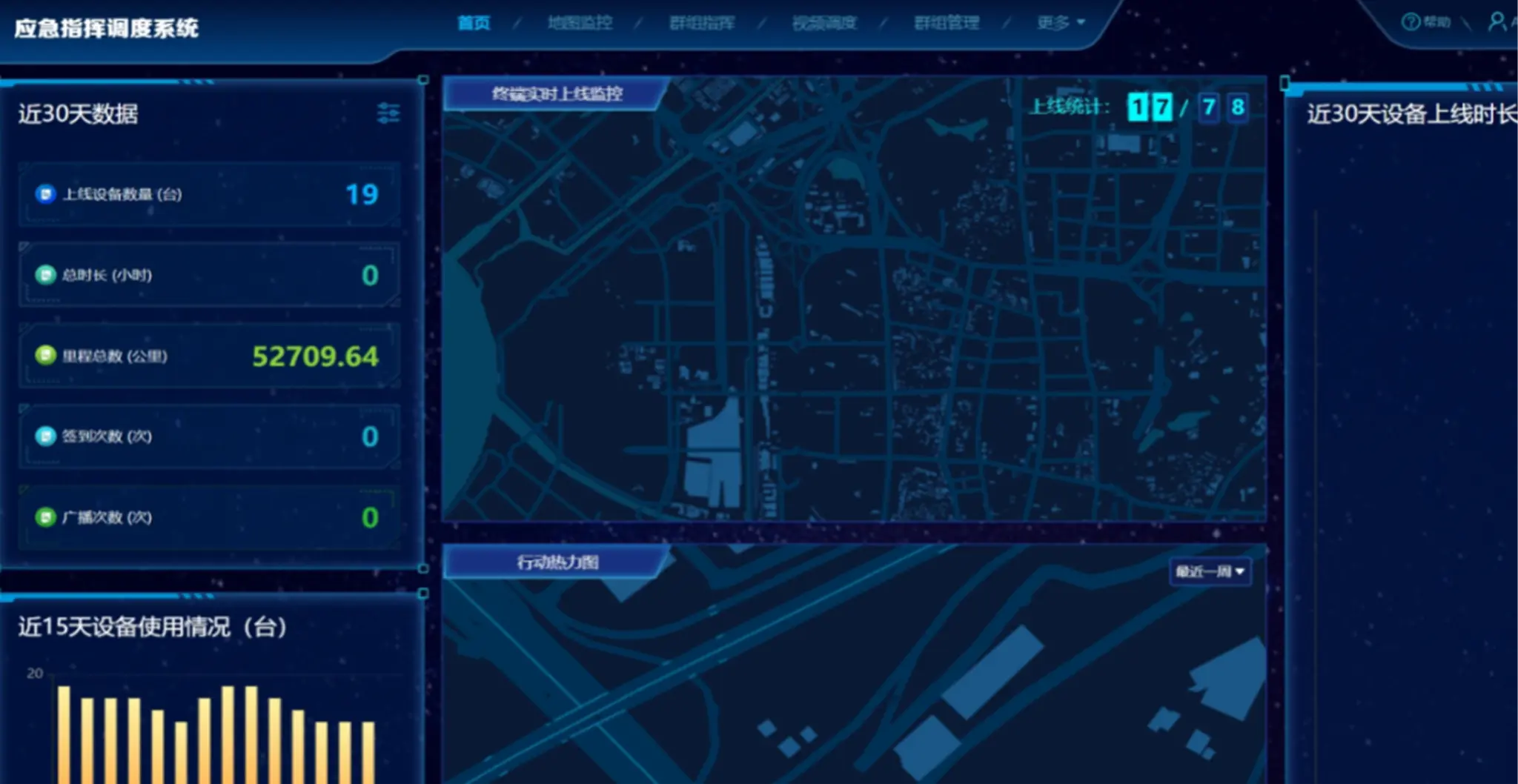
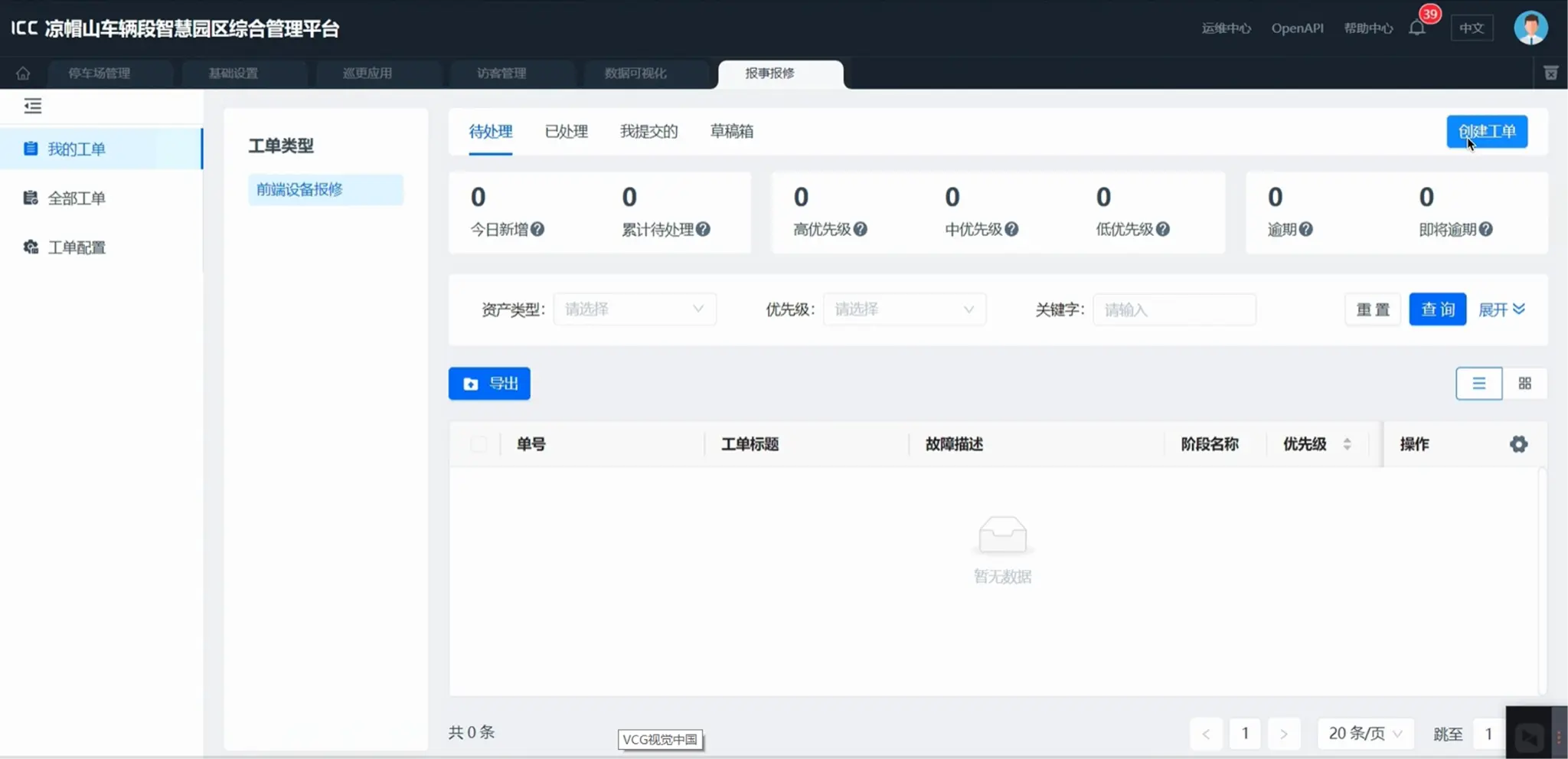
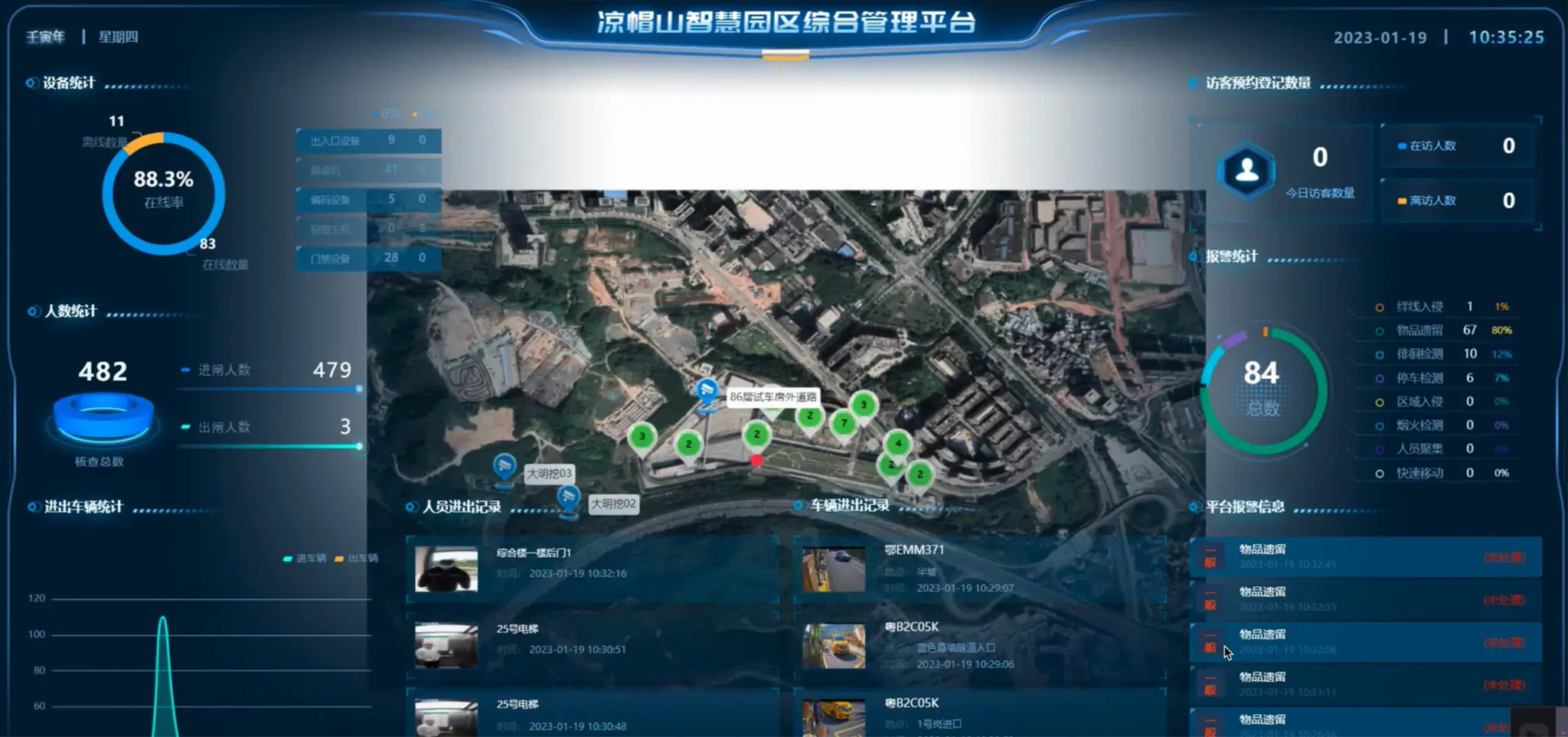
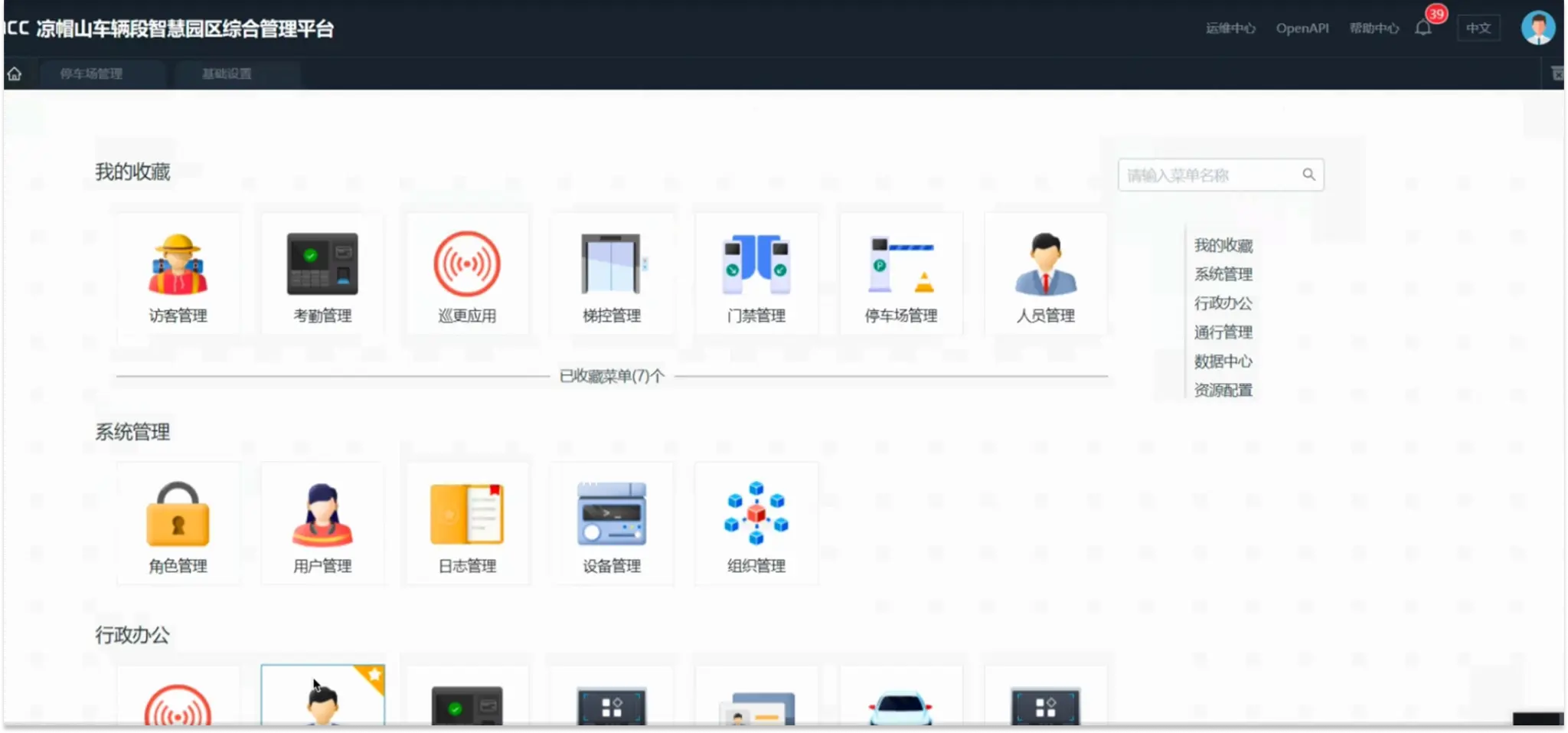
Real delivered screens — the system, as the client sees it
Device status, people and vehicle flow, alerts and video orchestration on one canvas — every anomaly flows back in real time.
Trade open-ended patrols for measurable sensing
Like-for-like comparisons before and after launch — the most direct evidence that the system actually solves the problem.
“We used to watch the cameras. Now the system surfaces the problems for us.”
Same engineering pattern, similar class of problems
Any spatial real-time sensing and orchestration scenario can be migrated onto this skeleton.
Core design principles
Not a feature list — four engineering principles, applied concretely.